Removal Companies in Acton
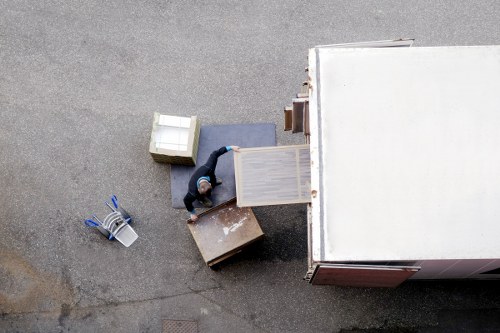
Removal companies in Acton should make it easier to move home or shift premises without turning the day into a sequence of avoidable delays. Our removal service is built around the practical work that matters most: careful loading, sensible vehicle planning, tidy unloading and support with the objects that need a little more attention than a quick lift and shift. Whether you are moving from a flat, a house or a small business space, the aim is a straightforward service that matches the job rather than forcing the job to fit a fixed pattern.
We work with customers who want a clear, organised moving service and a sensible conversation about what needs to travel, what can be packed in advance and what may need dismantling or extra handling. If you are comparing removal companies in Acton, it helps to look for a team that understands the difference between a simple transport task and a move that needs planning around access, timing and item type. Good removals are rarely about rushing; they are about doing the right tasks in the right order.
For a quotation, the best starting point is to share the basics of the move and the sort of items involved. A short list of furniture, approximate volume, access details and any awkward pieces is usually enough to begin. You can also use our pricing and quotes page if you want to explore how estimates are normally prepared before you decide what to include in your enquiry.
Home removals planned around your property
 Home moves often need more than transport from one postcode to another. A domestic removal can involve stairs, lift access, awkward parking, fragile furniture and the need to keep daily life moving until the last possible moment. Our home removals service is designed to handle that mix with practical judgement, from the initial loading plan through to placement in the right rooms at the destination. If you are moving from a studio, a terrace or a larger family home, the structure of the work should match the property rather than rely on a one-size-fits-all approach.
Many customers want help with furniture that is too heavy, bulky or awkward to move safely without support. Sofas, wardrobes, beds, dining tables and white goods all benefit from a team that is used to sequencing the work properly. We also know that some items are easiest to move only after disassembly, and that careful protection matters when door frames, tight turns or narrow corridors are involved. The service is intended to reduce strain on the day and keep the move organised from start to finish.
What a home removal can include
A domestic move can be made up of several smaller tasks rather than one large lift. Typical work may involve protecting furniture, moving boxed contents, loading heavier items last for balance, and unloading in a way that keeps essential belongings accessible. Useful preparation usually means grouping items by room, setting aside documents and valuables, and deciding whether anything should travel separately. If you need packing support, our packing and unpacking services page gives a clearer picture of that part of the work.
Office removals and commercial moves

Commercial removals call for a different rhythm from a household move. Office furniture, files, IT equipment and stock all need to be handled in a way that keeps the workspace orderly and makes unpacking more manageable. Our office removals and commercial moves are focused on moving business contents efficiently while respecting the need for care around desks, screens, chairs, cabinets and other items that can be damaged if they are rushed or stacked badly. The practical aim is to keep the relocation systematic rather than chaotic.
Businesses often need clear sequencing, especially when one area must remain functional for as long as possible. That may mean moving in stages, separating essential equipment from general furniture, and making sure everything is labelled before it leaves the building. Office removals are often easiest when the work is planned around access, loading points and the order in which departments or rooms will be reopened. We focus on the move itself, not on adding unnecessary complexity.
For larger or more involved relocations, timing and co-ordination can matter as much as capacity. Some commercial moves benefit from advance packing, careful dismantling and a loading plan that reflects the final layout at the other end. If your organisation is comparing different approaches, our office relocation services page may help you think through the practical options before you request a quote. Commercial removals work best when the service is matched to the spaces and items involved.
Man and van help for smaller loads
A man and van service is often a useful fit when the move does not require a full removal vehicle or a large team. It can work well for a few major items, a smaller flat move, furniture collection or a flexible transport job where the emphasis is on getting selected belongings moved with care. Our man and van removals are intended to offer that simpler, more adaptable option without overcomplicating the process or forcing you into a larger service than you need.
The useful part of this type of removal is that it can be scaled to the load. If you only have a handful of pieces, it may not make sense to arrange something more involved. At the same time, a smaller job still benefits from proper planning: checking whether items need disassembly, thinking about the route from property to vehicle, and making sure the van size is suitable. A sensible move is usually the one that fits the contents rather than the other way around.
Some customers use this service for a single day move, while others prefer it for the collection of purchased furniture or the transfer of belongings between addresses. Our man and van page explains the service style in broader terms, while the practical decision usually comes down to load size, access and how much lifting support you want on the day. Requesting a quotation is easiest when the main pieces are listed clearly.
Furniture pick-up and single-item transport

Not every job is a full removal. Sometimes the main need is to move one or two large items safely from one property to another, or to collect furniture that has been bought elsewhere and bring it home without damage. Our furniture pick-up service is designed for those smaller but still awkward tasks where a vehicle, lifting support and the right handling approach make all the difference. It is a practical option when the item is too large for a car or too heavy to manage alone.
Furniture collection can involve more than simply turning up and loading. Access matters, because stairs, narrow halls and shared entrances can affect the time needed and the equipment required. It also helps to know in advance whether an item can be moved in one piece or whether it should be dismantled before transport. When a customer gives us these details early, we can usually recommend the most suitable approach without guesswork. If you are arranging a move alongside individual item collection, the broader furniture pick-up page is a useful starting point.
Useful preparation for this type of work is usually simple: measure wider items, clear a path to the exit, and note anything that needs extra care such as glass, mirrors or polished finishes. A clear description of the item and where it is going helps produce a more accurate quotation. You do not need to over-prepare; a straightforward summary is often enough to get the process moving.
House moves with careful loading and unloading
 House moves can vary enormously, but the practical principles stay the same: protect the goods, plan the load and keep the route clear enough for the work to happen cleanly. Our house removals are suited to customers who want a dependable moving service for the contents of a home, whether that involves one vehicle load or a more substantial relocation. We treat each move as a sequence of small, manageable tasks rather than a single rushed event.
Some households need the move to be built around furniture that cannot easily be carried without support. Others mainly need help with volume, because the contents themselves are not individually difficult but there are many boxes, bags and smaller pieces to shift. Our house removals service is intended to cover that practical middle ground where sensible planning, steady handling and clear communication make the day run more smoothly. It is often the order of loading, not just the lifting, that decides how manageable a move feels.
If you are comparing options for a domestic move, think about whether you need disassembly, whether the route has restrictions, and whether fragile items should travel separately from general contents. The more accurately those points are described, the easier it is to shape a realistic quotation. A brief inventory and a note of the access at both ends will usually go a long way.
About Acton
Acton is a district in the London Borough of Ealing in west London, with a history that reflects both its older village origins and its later growth as part of the capital’s expanding suburban and industrial landscape. The area is associated with a long railway presence, and different parts of Acton developed around transport routes, local industry and residential streets laid out over time rather than in a single planned phase. That layered growth still shows in the mix of building types found there, from terraces and mansion blocks to older commercial premises and newer infill development. Acton is also known for several named localities, including East Acton, North Acton and South Acton, each with its own character and density. The district contains green spaces and recreation grounds alongside busier high streets, and it sits within reach of larger open spaces in west London. Acton Park is one of the best-known local parks, while nearby routes and stations connect the area to the wider capital. Historic references to Acton often point to its earlier identity as a separate settlement before urban expansion linked it more closely to surrounding districts. As a place, it combines everyday residential life with traces of its industrial past, and that combination is visible in street layouts, building ages and the way commercial premises sit alongside housing.
Loading, access and the practical side of a move
The most efficient removals are usually the ones where access is considered before the first item is lifted. That means thinking about parking, staircases, lifts, narrow corridors, shared entrances and the distance from the property to the vehicle. When these details are clear, the move can be organised more calmly and the load can be arranged to reduce unnecessary handling. In many cases, the difference between a smooth move and a frustrating one is not the size of the job but the accuracy of the plan behind it.
If there are items that need special care, it helps to identify them early. Mirrors, large televisions, glass shelving, antique furniture, pianos or awkward wardrobes may need extra attention, different handling or a separate note in the plan. A quotation is easier to prepare when you explain what needs moving, whether there are any access restrictions and whether help with dismantling is required. You can keep the enquiry simple: a list of key items and the two addresses is often enough to begin.
When you are comparing removal companies in Acton, it is sensible to look for a service that keeps the process practical. Some customers want the whole move managed in one visit, while others only need transport for a few larger objects. Either way, the work should be designed around what needs to be moved, not around an unnecessary bundle of extras. If you are ready to take the next step, request a quotation and outline the move in plain terms.
Packing, protection and sensible preparation
Good packing is not only about putting items into boxes. It is also about making sure the contents are grouped sensibly, labelled well enough to unpack efficiently and protected so they travel without avoidable damage. That may mean using stronger boxes for heavier goods, wrapping breakables, securing loose parts and keeping essentials separate. Our packing and unpacking support is intended to help with the areas where careful preparation saves time and reduces stress later in the process.
Some customers prefer to pack most of their belongings themselves and leave only the awkward or fragile pieces to be handled as part of the move. Others want broader support to reduce the number of tasks that need to be managed on the day. Either approach can work, provided the method suits the contents and the timetable. The most useful preparation is often simply to decide what will move together, what should be set aside and what ought to be protected in advance. You can then match the work to the move rather than improvising.
- Separate essentials, valuables and documents before the move begins.
- Label boxes by room or use so they can be placed more efficiently.
- Tell us about stairs, parking limits and any access restrictions.
- Note items that need dismantling, wrapping or extra handling.
- Keep a clear description ready when asking for a quotation.
Choosing the right removal service and requesting a quotation
Different moves need different levels of support, which is why it helps to think about the actual work before choosing a service. A domestic move, a business relocation, a furniture collection and a smaller transport job may all involve similar vehicles, but they do not always need the same approach to handling, timing or packing. Our removal services page gives a broader view of the kind of work we can cover, while the quotation itself is best built from the facts of your particular job.
When you ask for a quote, include enough detail to show the scale of the move without turning the enquiry into a long essay. The key points are usually the property type, the items involved, whether anything is especially heavy or fragile, and whether there are access issues at either end. If the move includes business equipment, mixed furniture or a smaller collection job, saying so early helps shape the right approach. For general background on the company and the way we work, our about us page is available, but the practical quotation is still based on the move itself.
For a final step, use the details you already have and send a straightforward request for a quotation. If you need it, our contact us page is the place to start the conversation. A clear message about the move is usually the quickest route to a sensible response, and it gives you a better basis for comparing options without overcomplicating the process.